Continuing its dialogue with educational communities, the programme Actions for History, Memory and Culture welcomed to Thrace, in northern Greece, from 29 March to 1 April 2026, the Barleion General Lyceum of Distomo, designing a multi-thematic educational itinerary for the students and members of the delegation. The visit brought students into contact with places, people, and lived experiences, highlighting the historical, cultural, social, and economic dimensions of the region.
The initiative was prompted by a student research project on the internal migration of Pomaks, a Muslim minority population from the mountainous areas of Xanthi, to Distomo in central Greece during the post-war decades, where they worked in mining and industrial units in Boeotia.
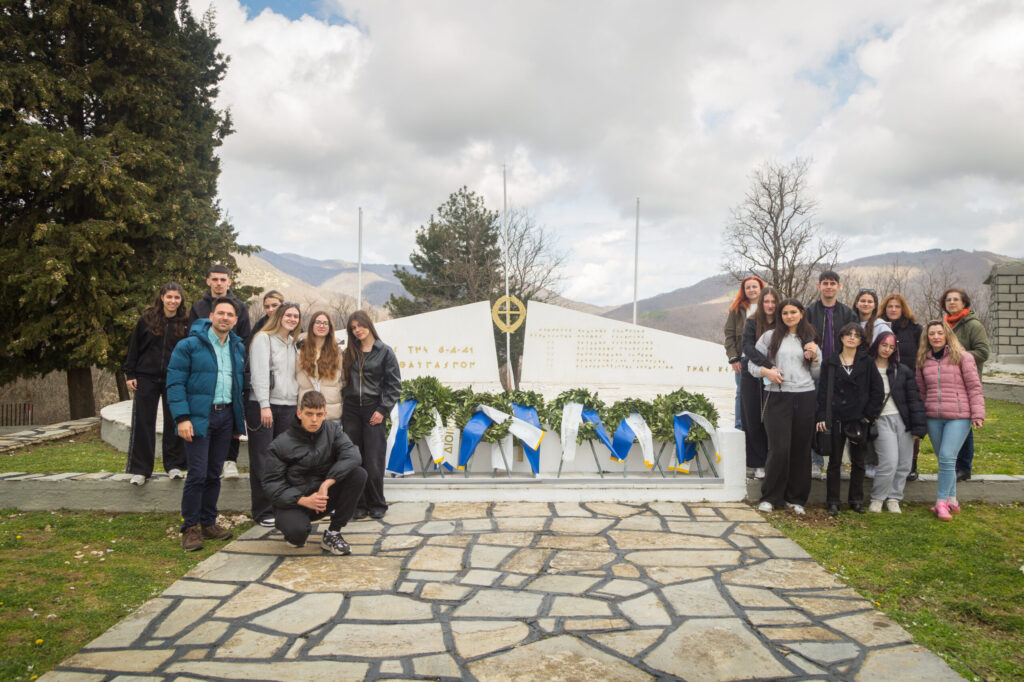
A key moment of the itinerary was the symbolic visit to Ano Karyofyto, a village in the Rhodope mountain range, where students from Distomo—a martyred town and internationally recognised symbol of Nazi atrocities—engaged with the history of another community marked by wartime violence. The encounter brought into focus the enduring trauma carried by the place and its people.
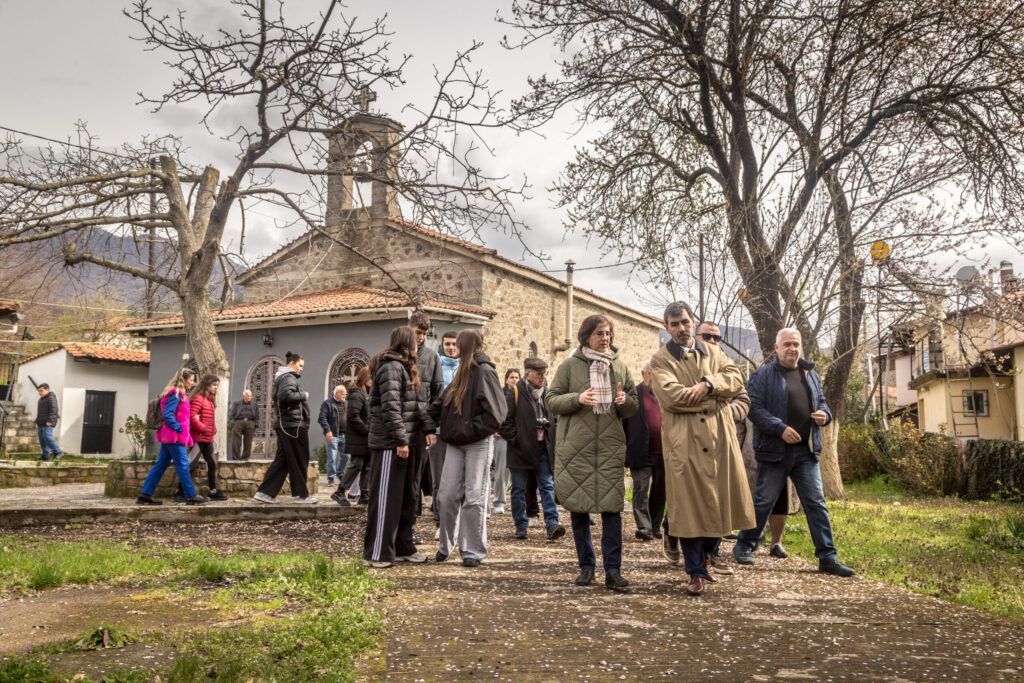
At this stage, the contribution of the village’s two cultural associations proved essential. The Cultural Association of Descendants of Refugees of Ano Karyofyto (Xanthi) guided the students on a student-led historical walk, a route of memory across the sites of executions carried out by Bulgarian occupation forces, offering a grounded and experiential understanding of the events of 9 September 1944.
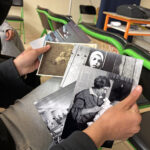
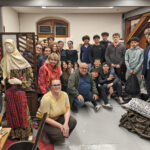
The Cultural Association of Residents and Friends of Ano Karyofyto welcomed the group to the former primary school, now operating as a folklore museum and site of memory, highlighting the connection between the experience of wartime violence, refugee origins, and the shaping of collective memory.
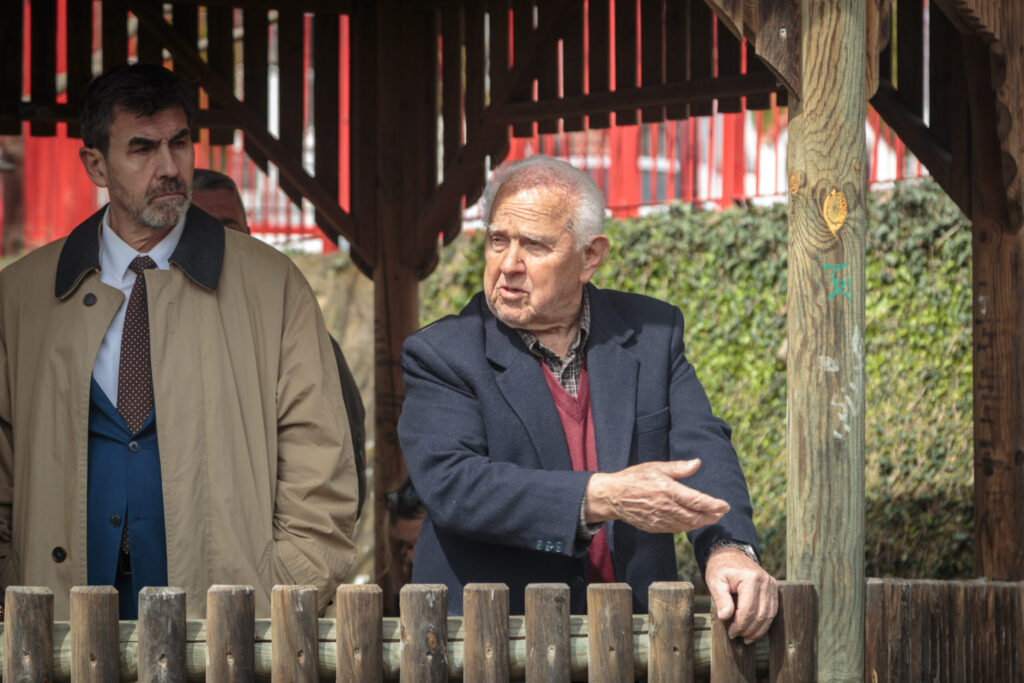
The visit was further enriched by a moving encounter with Konstantinos Yatzourakis, a survivor of the massacre, opening a meaningful dialogue between living memory and the younger generation.
In his address at the village memorial, the programme coordinator Nikos Kosmidis underlined that commitment to memory today constitutes not only a moral responsibility but also a political act, particularly in a period marked by the resurgence of war and violence against civilians worldwide.
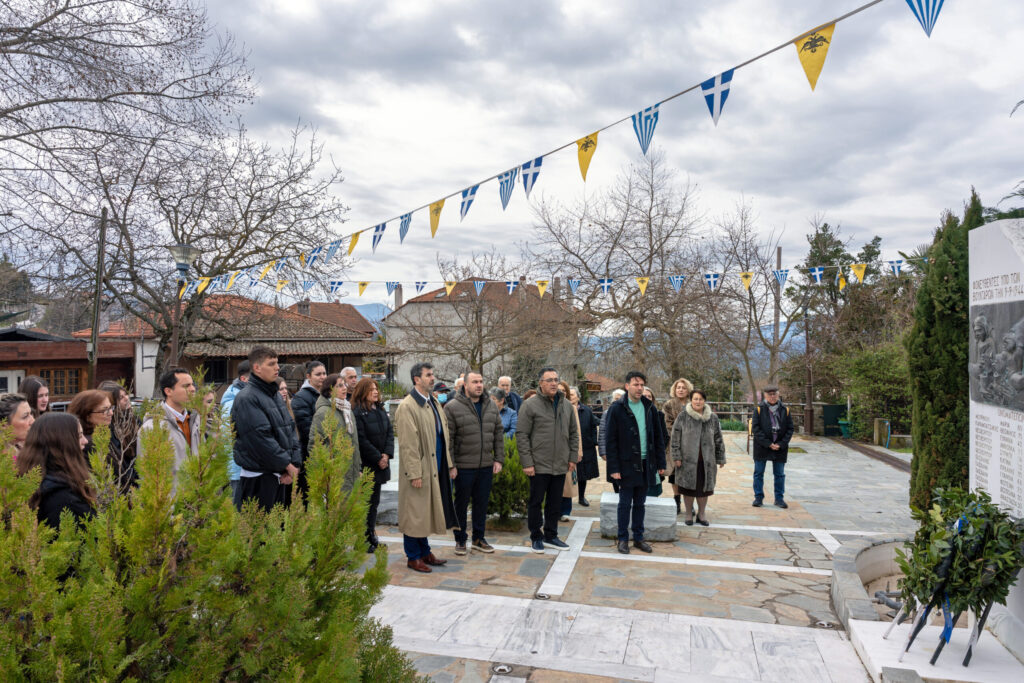
On behalf of the Distomo community, Amalia Papaioannou, Curator of the Distomo Museum of Victims of Nazism, conveyed the greeting of the Mayor of Distomo–Arachova–Antikyra, describing those present as “fellow companions in a shared struggle” for the preservation of memory and the pursuit of justice for the crimes committed during the Axis occupation of Greece. Support was also expressed for the recognition of Ano Karyofyto as the first officially acknowledged martyred community in Thrace, while the contribution of the programme and its coordinator to this process was noted.
Local authorities were also present, representing the Municipality of Xanthi and the wider region.
The public culmination of the visit took place during the evening event titled “From Mountainous Xanthi to Distomo: Bridges of Culture and Memory”, where the school group presented the foundations of their research, their key questions, the oral testimonies they collected from Pomak families in Distomo, and their use of archival material from the Distomo Museum.
They also reflected on broader themes such as the memory of migration, coexistence, labour, and the preservation of cultural ties between two geographically distant regions.
Within the framework of the event, teachers Athanasia Achyraki and Violeta Sideri, together with the students, presented the results of their original school project on Pomaks from Xanthi who migrated to Distomo to work in the industrial sector of Boeotia.
From Industrial Heritage to Historical Sites of Thrace
A distinct component of the programme was the workshop held at PASTALI AMKE (Civil Non-Profit Company) in Palaia Chrysa, where students from Distomo met with students from the 4th General Lyceum of Xanthi and engaged in discussions on industrial heritage, local production, and the prospects of regional Greece.
The workshop was coordinated by Maria Petra, an industrial archaeologist and museologist specialising in the study and reuse of industrial heritage. Through her presentation and dialogue with the students, the memory of labour and the material traces of production were connected with contemporary questions about regional development and the future of younger generations.
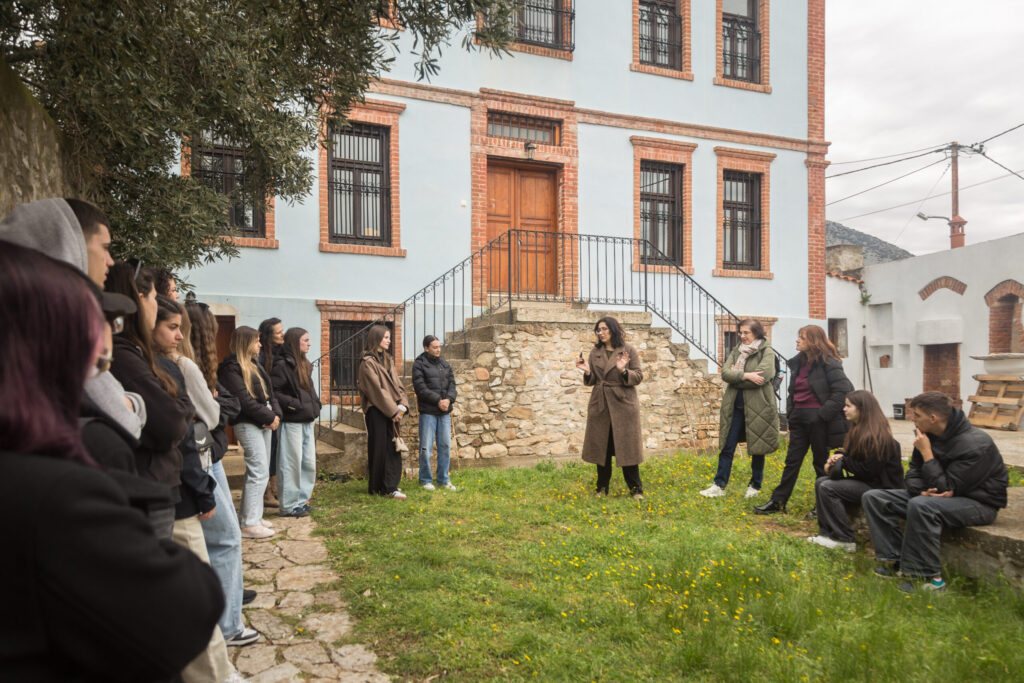
In Komotini and Alexandroupoli, the programme further expanded the discussion on history, identity, and the complex character of Thrace.
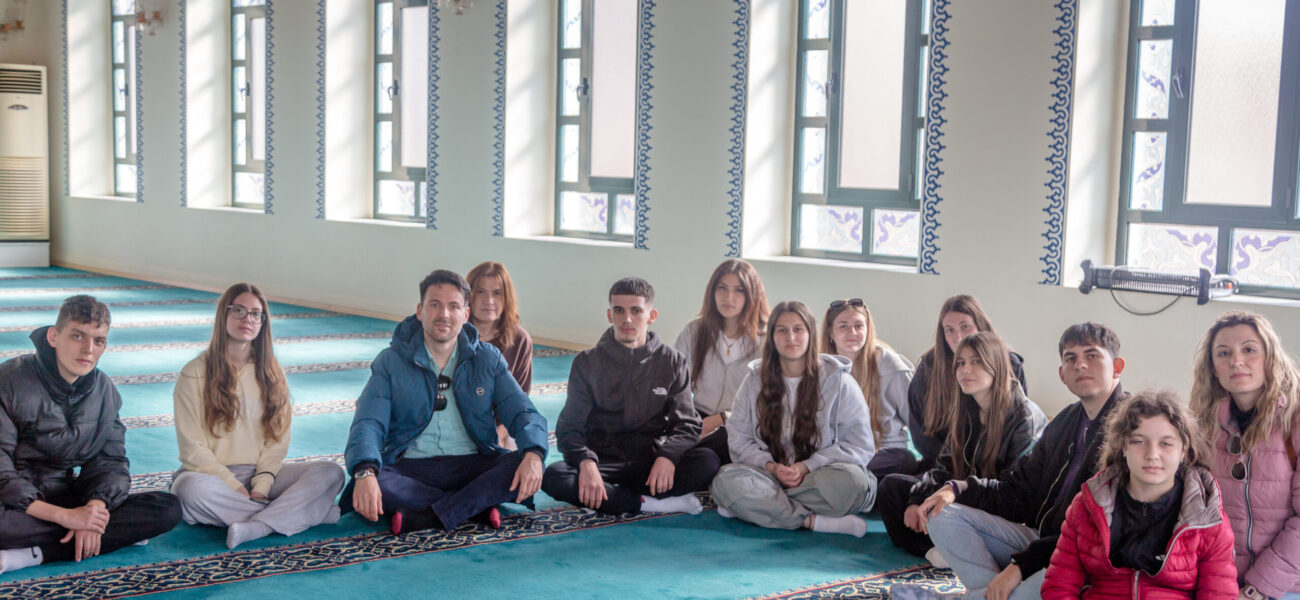
In Komotini, Dr Nagia Dalakoura, archaeologist, museologist, and author, led a cultural walk through the city, exploring the relationship between urban space, memory, sensory experience, and everyday life. Students also experienced elements of local culture, including traditional treats such as roasted chickpeas, and visited the Yeni Mosque, where Muslim members of the group—originating from Pomak villages and Albania—shared aspects of their religious life.
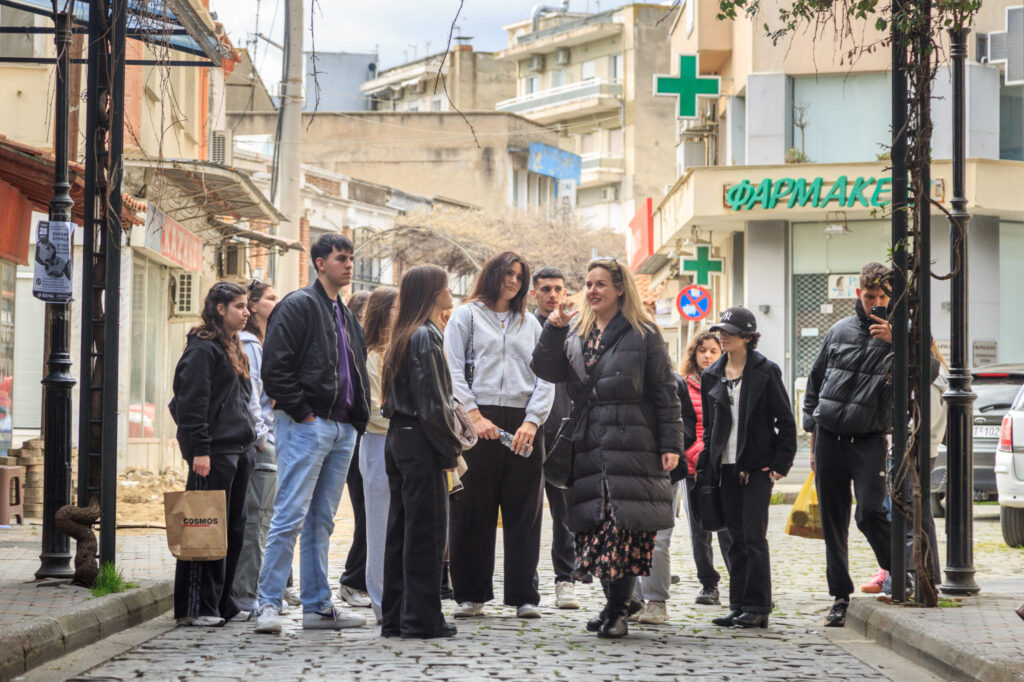
In Alexandroupoli, Georgios Mavromatis, Associate Professor at the Democritus University of Thrace, contributed to a discussion on minority experiences and diverse religious expressions, including Bektashism and Alevism in northern Evros, as well as on issues of individual and collective identity.
A particularly significant stop was the Nymfaia Fort, a World War II site of memory now functioning as a military museum. The visit extended beyond a guided tour, leading to a discussion on how young people perceive historical sites in their regions and whether such places are actively integrated into public life or remain confined to commemorative use.
During this exchange, references were made to the Distomo Mausoleum of Victims of Nazism, the massacre site in the martyred village of Kosmati, and the hill of Annitsa in Grevena—sites with which the programme has already engaged through memory initiatives and public interventions.
Through this multi-day journey, the presence of the Barleion General Lyceum of Distomo in Thrace revealed a region far more complex than stereotypical representations suggest: one shaped by memory and history, cultural diversity, industrial heritage, social transformations, and ongoing questions about identity and the future.
For the students, this experience functioned not merely as an educational trip but as an opportunity for meaningful engagement with people, places, and historical traces.
The programme Actions for History, Memory and Culture warmly thanks the Barleion General Lyceum of Distomo and the Municipality of Distomo–Arachova–Antikyra. The presence of the Distomo delegation in Thrace and this shared journey marked another important step in the programme’s ongoing collaboration with Distomo.
Thanks are also extended to the Thracian Art and Tradition Foundation, PASTALI AMKE (Civil Non-Profit Company), the 29th Mechanized Infantry Brigade “POGRADEC”, Dr Nagia Dalakoura, Associate Professor Georgios Mavromatis, the Municipality of Xanthi, the Community of Ano Karyofyto, and the local cultural associations, for their contribution to the realisation of this initiative.
Special recognition is due to the students themselves, who participated with genuine interest, maturity, and a sincere willingness to engage with the history and people of Thrace.
Photos: mnemonikon.gr
Last modified: 16 April 2026
[mc4wp_form id="5485"]